evergreen guide
Chimarrão, also known as mate or yerba mate, is a traditional South American beverage…
Chimarrão, also known as mate or yerba mate, is a traditional South American beverage deeply rooted in Brazilian culture. Originating from the traditions of indigenous nations among the Quíchua, Aymara, Guarani, and Kaingangue peoples, it was introduced to Brazil by immigrants…
Human Rights Hub. General information; confirm the current rules before acting.
Overview
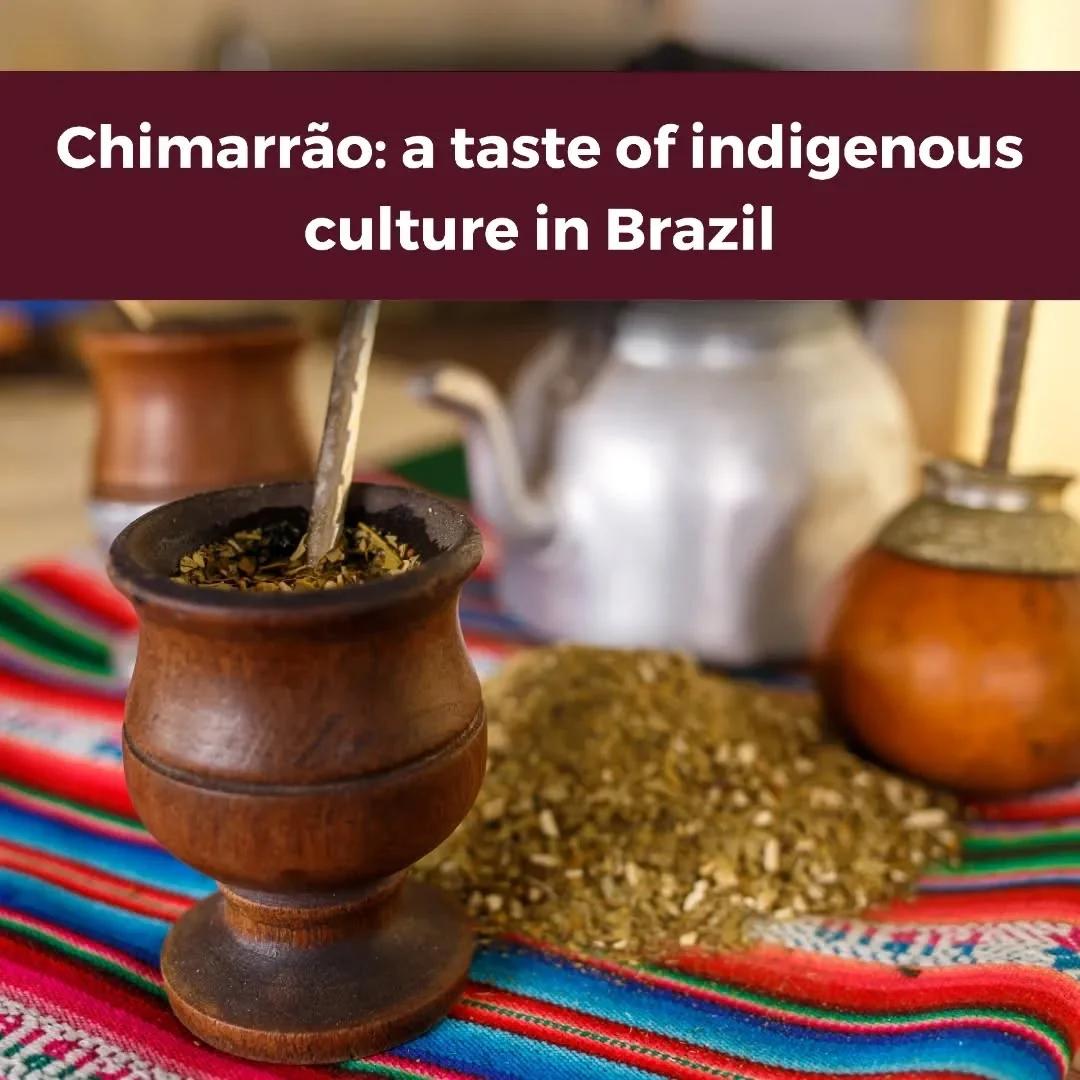
Chimarrão, also known as mate or yerba mate, is a traditional South American beverage deeply rooted in Brazilian culture. Originating from the traditions of indigenous nations among the Quíchua, Aymara, Guarani, and Kaingangue peoples, it was introduced to Brazil by immigrants in the southern regions during the 19th century. This herbal tea is made from the leaves of the yerba mate plant, primarily harvested in South America. Traditionally, chimarrão is consumed through a metal straw called bomba from a shared gourd. The Guarani Indians, who inhabited the region defined by the basins of the Paraná, Paraguay, and Uruguay rivers, were among the first peoples known to have used yerba mate. The Kaingang Indians also utilized yerba mate, residing in the areas now encompassing the states of Rio Grande do Sul, Santa Catarina, Paraná, and Misiones. From the mid-16th century until 1632, yerba mate extraction was the most important economic activity in the Province of Guayrá, which covered practically all of Paraná. This region saw the founding of three Spanish cities and fifteen Jesuit reductions. Initially prohibited in southern Brazil during the 16th century and considered the "devil's herb" by Jesuit priests in the Guayrá reductions, chimarrão's status changed in the 17th century. The Jesuits began to encourage its consumption as a means to steer the local population away from alcoholic drinks.